
RESILIENCE: Why Some People Bounce Back, and Others Don’t

Do you know someone who seems to get back up no matter what?
They seem like they can easily handle life’s challenges while others struggle to recover.
This level of audacity has led researchers to investigate why some people are more resilient than others.
So what is this thing resilience that I am speaking of? It is adapting and recovering from adversity, trauma, or stress. Understanding resilience is important because it can help you develop strategies to cope with difficult situations.
Several factors can influence resilience. Genetics, life experiences, and environmental factors can all play a role. People who have experienced trauma or adversity in the past may be more resilient because they have learned coping skills. People can develop resilience at any age by learning new skills and strategies.
Key Takeaways
- Resilience is adapting and recovering from adversity, trauma, or stress.
- Genetics, life experiences, and environmental factors can all influence resilience.
- Resilience can be developed at any age by learning new skills and strategies.
Understanding Resilience

Definition of Resilience
Resilience is not about avoiding or denying difficulties but facing them head-on and finding ways to overcome them. Resilient people can maintain a positive outlook, stay focused on their goals, and progress despite setbacks.
There are several key characteristics of resilient individuals. They tend to have a strong sense of self-efficacy, meaning they believe in their ability to handle challenges. Many also have a support system of family, friends, or other resources to turn to in times of need. They can manage stress and maintain a sense of optimism and hope.
Importance of Resilience
Resilience is an essential factor in mental health and well-being. It can help individuals cope with complex life events like job loss, divorce, illness, or trauma.
It can also help prevent the development of mental health disorders, such as depression or anxiety, in the face of stress or adversity.
Research has shown that resilience is a skill that can be developed and strengthened over time.
By practising healthy coping strategies, building strong relationships, and cultivating a positive mindset, individuals can increase their resilience and handle life’s challenges better.
Genetic Factors
Research has shown that some people may be genetically predisposed to resilience. For example, studies have found that specific genes that regulate stress hormones, such as cortisol, may be associated with greater resilience. Other genetic factors, such as variations in neurotransmitter systems, may also play a role in resilience.
Environmental Factors
Environmental factors can also impact resilience. For example, children who grow up in supportive and nurturing environments may be more likely to develop resilience than those who experience neglect or abuse. Other environmental factors influencing resilience include access to resources like education and healthcare and exposure to stressors like violence and poverty.
Personal Experiences
Personal experiences can also shape resilience. People who have faced and overcome complex challenges may be more likely to develop resilience in the future. Similarly, those with a strong sense of purpose and meaning may be better equipped to cope with adversity. Other personal factors influencing resilience include self-esteem, optimism, and social support.
In conclusion, resilience is a complex trait influenced by various factors. While some people may be naturally more resilient than others, everyone has the potential to develop resilience through positive experiences and supportive environments.
Psychological Aspects of Resilience

Cognitive Processes
Cognitive processes significantly influence an individual’s ability to bounce back from adversity. Resilient individuals tend to have a positive outlook towards life and can find meaning in difficult situations.
They can reframe negative thoughts and beliefs into more positive ones, which helps them maintain a sense of hope and optimism.
They can set realistic goals and work towards them, even facing obstacles. This mindset helps them maintain control over their lives, which is essential for building resilience.
Emotional Regulation
Emotional regulation is another important aspect of resilience. Resilient individuals can regulate their emotions effectively, which allows them to cope with stress and adversity. They can identify and express their feelings healthily without being overwhelmed by them.
Resilient individuals also have a high degree of emotional intelligence, which allows them to understand their emotions and those of others, which helps them build strong relationships and social support networks.
Behavioural Patterns
Finally, behavioural patterns play a crucial role in resilience. Resilient individuals tend to be proactive and take action to solve problems. They can adapt to new situations and learn from their experiences, which helps them build resilience over time.
These individuals also tend to have healthy coping mechanisms, such as regular exercise, meditation, or spending time with loved ones. These behaviours help them manage stress and maintain balance in their lives.
By developing these skills, you can better cope with adversity and bounce back from difficult situations.
Cultural Influence
Culture can also play a significant role in resilience. Different cultures have different values, beliefs, and practices that can influence how individuals cope with stress and adversity. For example, some cultures may emphasize the importance of family support, while others may prioritize individualism.
Cultural norms can affect how individuals seek help and support. In some cultures, seeking help may be stigmatized, while it may be encouraged in others. Cultural factors can also influence how individuals perceive and interpret stress and adversity.
Strategies to Enhance Resilience
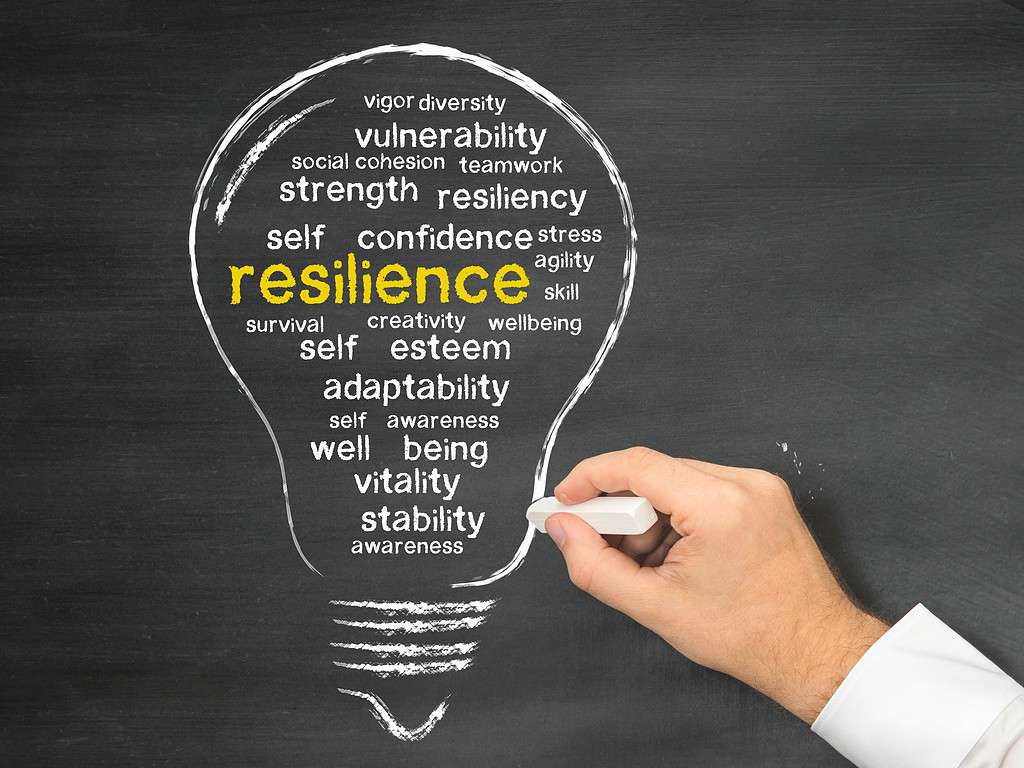
Here are some strategies that can help enhance resilience:
Building Emotional Intelligence
Emotional intelligence is the ability to recognize and manage one’s own emotions, as well as the feelings of others. It is a critical factor in resilience. Here are some ways to build emotional intelligence:
- Practice mindfulness meditation: Mindfulness meditation can help increase self-awareness and emotional regulation.
- Seek feedback: Asking for feedback can help increase self-awareness and understanding of how one’s emotions affect others.
- Practice empathy: Empathy is the ability to understand and share the feelings of others. Practising empathy can help build connection and resilience.
Strengthening Coping Mechanisms
Coping mechanisms are the strategies people use to deal with stress and adversity. Here are some ways to strengthen coping mechanisms:
- Develop a growth mindset: Someone with a growth mindset believes that their abilities can be developed through hard work and dedication. People with a growth mindset are more resilient in the face of adversity.
- Build social support: A strong support system can help people cope with stress and adversity. Social support can involve joining a group or club, volunteering, or spending time with friends and family.
- Practice positive self-talk: Positive self-talk involves replacing negative thoughts with positive ones.
Conclusion
In conclusion, the ability to bounce back from adversity is a complex and multifaceted process involving individual and environmental factors. While some people may be more naturally resilient than others, several strategies can be learned and practised to enhance resilience.
Additionally, individuals who can maintain a positive outlook and focus on their strengths and abilities are more likely to bounce back from adversity.
It is also essential to recognize that resilience is not a fixed trait but a skill that can be developed and strengthened over time. By practising self-care, setting realistic goals, and seeking out opportunities for personal growth and development, individuals can enhance their resilience and increase their ability to bounce back from difficult situations.
Frequently Asked Questions
What are some common traits of resilient people?
Resilient people tend to have a positive outlook on life, a strong sense of self-efficacy, and the ability to regulate emotions. They can also often find meaning in difficult situations and have a support system of friends and family.
How can resilience be developed?
Resilience can be developed through various means, including therapy, mindfulness practices, and building a strong support system. Engaging in activities that promote physical and mental health, such as exercise and meditation, can also help build resilience.
What are some strategies for bouncing back from failure?
Some strategies for bouncing back from failure include reframing the situation as a learning opportunity, seeking feedback from others, and focusing on what can be controlled rather than what cannot.
What role does mindset play in bouncing back from adversity?
Mindset plays a significant role in bouncing back from adversity, as individuals with a growth mindset view challenges as opportunities for growth and learning. This mindset can help them approach difficult situations more positively and resiliently.
How does social support impact a person’s ability to bounce back?
Social support can significantly impact a person’s ability to bounce back from adversity. A strong support system of friends and family can provide emotional support, practical assistance, and a sense of belonging and connection.
What are some examples of people who have overcome significant challenges and bounced back?
There are many examples of individuals who have overcome significant challenges and bounced back, such as Oprah Winfrey, J.K. Rowling, and Nelson Mandela. These individuals could draw on their resilience and perseverance to overcome obstacles and achieve their goals.


